What outdoor furniture fits a narrow balcony or terrace?
The best furniture for a narrow balcony or terrace is compact, low-profile, and easy to move. Space saving loungers, slim chairs, small dining sets, and foldable or stackable resin pieces usually work better than bulky lounge suites. The aim is to keep enough room to walk, sit comfortably, and enjoy the space without filling every inch.
A narrow outdoor area can still feel useful and relaxed, but the layout needs more thought than a large patio. Doors, railings, planters, wall outlets, and corners all shape what will fit. Before choosing furniture, look at the floor area as an open rectangle and notice where the widest free stretch sits. That is usually the best place for the main seating piece.
Start with the space you can actually use
Balconies and terraces often look longer or wider than they are because the eye follows the railing or the view. Furniture has to fit the usable surface, not the visual outline. Measure the clear width between walls, railings, or fixed features. Then check the depth from the door outward. If a door opens onto the balcony, include the swing arc in your plan. A chair that fits on paper can still block the doorway when someone pulls it out.
Leave clearance space around seating wherever possible. A small gap beside a chair makes it easier to sit down, stand up, and pass through. On a narrow balcony, even a modest gap can prevent the area from feeling crowded. If the only route to the door runs through the seating zone, choose pieces that are light enough to shift or slim enough to keep the path open.
Traffic flow matters more in small spaces than in large ones. Think about the normal route: door to chair, chair to table, table to railing. If people need to turn sideways or squeeze past a table corner, the layout will feel tense. A single comfortable route is often better than trying to create several.
Choose loungers that give comfort without taking over
Space saving loungers are useful where the goal is to recline without giving up the whole terrace. A traditional chaise can be long, so the shape and position make a big difference. Look for a design with a compact chair footprint and an adjustable back. When the back is upright, the lounger can read more like a chair. When it reclines, it becomes a place to stretch out.
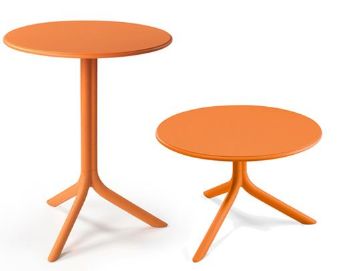
Resin chaise lounges are a practical fit for outdoor use because they are designed for patios, poolside areas, and exposed settings. Their surfaces are easy to wipe down, and their frames tend to stay neat without the upkeep that wood or fabric can demand. In a narrow setting, the clean lines of resin furniture also help the area look less busy.
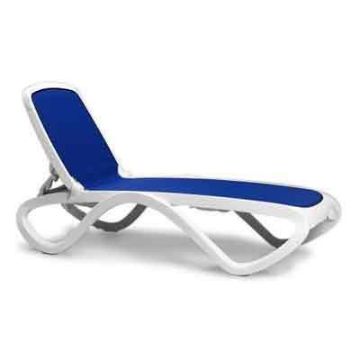
A model such as the Nardi Omega Chaise Lounge suits the idea of a relaxed lounging spot without a heavy visual presence. Placed along the long edge of a balcony, a lounger can leave the centre open for movement. If the space is very tight, one lounger plus a small side table is often more inviting than two chairs with no room between them.
Use seating that does more than one job
In a small outdoor area, furniture earns its place by being flexible. A chair can work alone, pair with a small table, or sit beside a lounger. A bench can seat more than one person while taking a straight line against a wall or railing. A compact dining set can become a spot for coffee, meals, or simply setting down a book.
Stacking height is worth checking when furniture needs to be stored or grouped after use. Stackable chairs can be moved into a corner or kept together when the balcony is being used for something else. Folding pieces can also help, though they may need a storage spot that is dry and out of the way. If there is no storage, choose furniture that can stay outside neatly and still look intentional.
Resin chairs, stools, benches, and small tables work well in mixed layouts because their shapes are usually simple. Matching pieces make a narrow terrace look calmer, but matching is not essential. A consistent colour or finish can tie different items together. Neutral tones often blend with railings, walls, and planting, while darker pieces can give the area a defined look.
Plan the layout in zones
Even a small balcony benefits from layout zones. One zone might be for lounging, one for dining, and one for plants or storage. The zones do not need to be large. They simply keep furniture from spreading at random. A lounger at one end, a small table near the door, and a slim bench along a wall can create a clear pattern.
Keep taller items toward the back or along the edge so they do not block movement. Low tables can sit closer to seating, but avoid placing them where they catch knees or elbows on the way through. Round tables can soften tight corners and remove sharp points from the walking route. Rectangular tables fit neatly along a wall but need more care with chair pull-out space.
Railings should shape the arrangement, not fight it. Seating that faces outward makes sense where the view is part of the appeal. Seating that faces inward can make a small terrace feel more social. If the balcony is exposed to wind, place lighter pieces where they are less likely to be caught by gusts, and avoid leaving cushions or loose items where they can blow about.
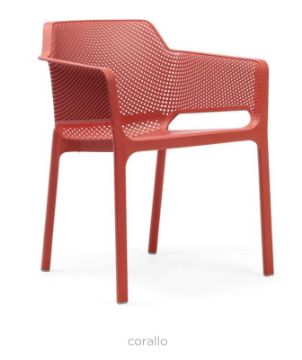
Pay attention to size, height, and visual weight
Low furniture tends to suit narrow areas because it leaves more open space above. A low bench or lounger can make the edge of the balcony feel less crowded. Tall chairs, high stools, and bulky arms can make the same area feel tight. This does not mean comfort should be sacrificed. It means choosing pieces whose height and depth suit the room available.
Armrests are a useful detail to check. They can make a chair feel supportive, but wide arms add inches to the chair footprint. On a narrow terrace, armless chairs may tuck closer to a table. A chaise with a raised side can feel more substantial, while a simpler profile can slip beside a planter or wall.
The Nardi Omega Chaise Lounge is one example of a lounging piece that can be considered in terms of shape and placement rather than just length. A narrow space often depends on how the furniture sits in relation to the door, railing, and nearby seats. A long piece placed lengthwise along a wall usually leaves more open floor than the same piece placed across the balcony.
Keep the floor clear and the edges calm
One common mistake is filling the middle of a narrow balcony while leaving awkward gaps at the edges. The middle is the route people use most. Keeping it clear makes the area safer and easier to enjoy. Put the larger pieces against a wall or along one side, then use smaller tables only where they are truly needed.
Plants can improve the feel of a terrace, but they also take space. Choose a few that fit the layout rather than lining the whole railing. If pots sit near seating, leave enough room to move chairs without knocking them over. Lightweight planters can be easier to shift, but they may need extra care in windy spots.
Floor coverings can also change how the space feels. A small outdoor rug can define the seating zone and make resin furniture feel more settled. In a very narrow area, though, a rug that curls or shifts can become a nuisance. Keep it flat, sized to the furniture, and clear of the door route.
Match furniture to how the space will be used
A balcony used for morning coffee needs different pieces from one used for long afternoon lounging. For quick meals, a bistro set or two compact chairs may be enough. For reading and sunbathing, space saving loungers matter more. For entertaining, stackable chairs and a small table can be brought out when needed and grouped away afterward.
It helps to be honest about the number of people who normally use the space. A terrace that seats four on paper may only feel comfortable for two once table space and movement are considered. Furniture should support the usual routine, not an imagined one. A well-placed pair of chairs and a lounger can feel better than a crowded set that leaves no room to breathe.
Resin furniture is easy to pair with poolside products, chairs, dining pieces, benches, and lounges because the materials and forms tend to share a practical outdoor character. When choosing several pieces, compare their proportions as well as their purpose. A slim dining table beside a broad lounger may still crowd the floor. A few well-matched items usually create a cleaner result than too many small pieces.
Final sizing checks before choosing
Before settling on a layout, mark out the footprint with tape or cardboard on the floor. Sit imaginary positions in each seat and picture the route to the door. Check whether a chair can slide in and out without hitting a wall, planter, or railing. Look at the space from the doorway as well as from inside the room. A layout that feels open from one angle can look blocked from another.
Also consider how the furniture will be cleaned and moved. Resin pieces can be wiped down, but the spaces between furniture still need access. Leaving a small gap beside a table or behind a lounger makes maintenance easier. If furniture needs to be moved seasonally, choose pieces that are manageable for the space and the people using it.
The right choice is rarely the smallest furniture available. It is the furniture that leaves enough room for daily use, supports the way the balcony or terrace is enjoyed, and keeps the layout simple. Compact loungers, slim seating, small tables, and practical resin pieces can turn a narrow outdoor area into a comfortable place without making it feel packed.